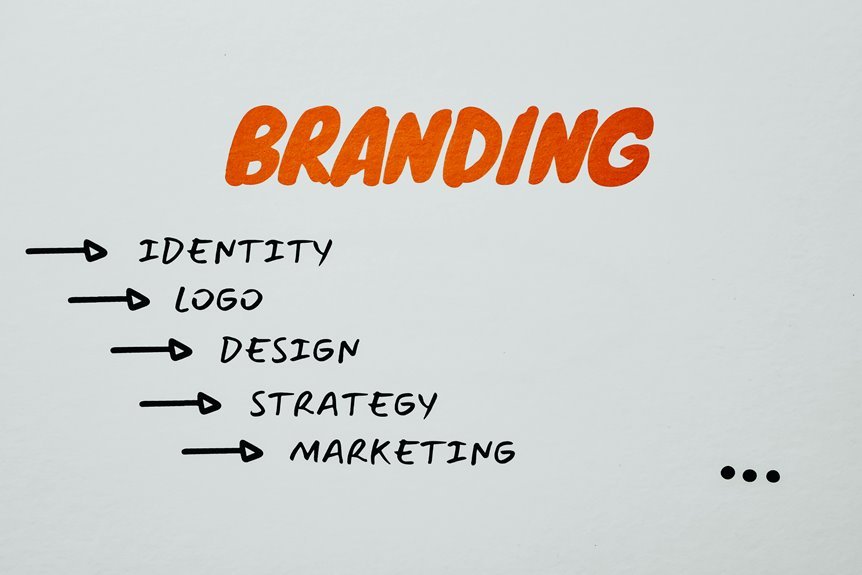
The Advanced Branding Model 264303647 offers a unique framework for shaping brand identity. It emphasizes authenticity and emotional resonance, key factors in consumer engagement. By fostering a cohesive brand personality and compelling storytelling, organizations can transform their market presence. However, the true challenge lies in effectively implementing these strategies. What are the critical steps required to harness this model’s full potential? Understanding this could redefine how brands connect with their audiences.
Understanding the Advanced Branding Model 264303647
The Advanced Branding Model represents a paradigm shift in how organizations perceive and cultivate their brand identity.
By focusing on brand perception, it empowers entities to create deeper consumer engagement. This model encourages brands to embrace authenticity, fostering emotional connections that resonate with audiences.
In a world craving freedom, it invites organizations to innovate, thereby transforming passive consumers into passionate advocates.
Key Components of Effective Brand Identity
Effective brand identity is built upon several key components that work harmoniously to shape perceptions and experiences.
Central to this identity is brand personality, which communicates a brand’s essence and values.
Complementing this are the visual elements, such as logos and color schemes, that create lasting impressions.
Together, these components form a cohesive narrative, inviting audiences to connect and engage freely with the brand.
Strategies for Implementing the Branding Model
While crafting a successful branding model may seem daunting, implementing effective strategies can streamline the process and yield significant results.
Establishing brand consistency across all platforms ensures that the visual identity resonates with the audience. Leveraging storytelling and engaging design elements further enhances recognition.
Measuring the Impact of Your Brand Identity?
How can organizations accurately gauge the impact of their brand identity?
By analyzing brand perception through identity metrics, companies can unveil consumer sentiments. Surveys, social media engagement, and sales data serve as vital indicators, revealing how audiences resonate with the brand.
This insight empowers organizations to refine their identity, ensuring it aligns with aspirations for freedom and authenticity, ultimately enhancing their market presence.
Conclusion
In conclusion, the Advanced Branding Model 264303647 for Identity serves as a compass, guiding brands through the intricate landscape of consumer perception. By fostering authenticity and emotional connections, organizations can transform their identities from mere labels into powerful narratives. Like a well-crafted tapestry, each component of this model interweaves consistency and innovation, creating a vibrant brand presence that resonates with audiences. Ultimately, brands that embrace this approach cultivate loyalty and align seamlessly with the aspirations of their consumers.